

By Onyinyechi Obi
As schools resume today, Monday, January 12, 2026, across Abia State, a familiar sound once again fills the air-the laughter and boundless energy of pupils eager to return to class. This time, however, the resumption comes with something parents and students had almost forgotten: confidence and assurance.
In previous years, the beginning of a new term often came with anxiety for many parents. The festive season usually left household finances stretched, and the sudden increase in school fees, coupled with the cost of uniforms, textbooks, and sundry levies, proved overwhelming. As a result, some pupils resumed late or stayed away from school entirely.
These concerns were further worsened by the poor state of many public schools. Classrooms left unsecured during holidays became targets for vandalism, theft, or even temporary shelters for the homeless and mentally ill. Instead of settling into lessons, pupils often returned to overgrown compounds and debris-filled classrooms, making resumption feel more like a burden than a fresh start.
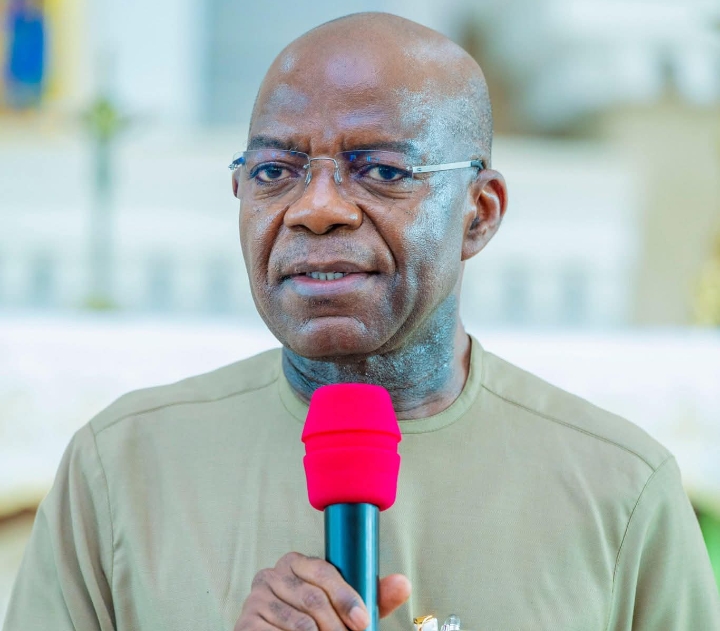
Today, that narrative has changed. Pupils are now resuming in secured, rehabilitated, and dignified learning environments-a direct outcome of deliberate reforms under the administration of Governor Alex Chioma Otti, who has placed education at the core of his governance agenda.
Through the Abia FIRST initiative, the state introduced free and compulsory basic education, lifting a long-standing financial burden off parents. This bold move has led to increased enrollment and renewed confidence in the public school system across the state.
To match increased access with quality delivery, the government embarked on a transparent, merit-based teacher recruitment exercise, restoring professionalism and competence in classrooms. With a second phase of recruitment currently underway, it is clear that the administration recognises that meaningful education reform must prioritise both access and quality.
Equally significant are the sweeping infrastructural upgrades across public schools. From renovations and retrofitting to improved security measures, schools now provide safe, clean, and conducive environments for learning.
The introduction of Smart Schools, equipped with modern learning tools, improved sanitation, and technology-driven instruction, further underscores the government’s forward-looking approach—one that prepares Abia’s children for the demands of the 21st century.
As classes commence today, the difference is unmistakable. Pupils are eager to learn, teachers return to work with renewed dignity, and parents send their children off with confidence in a system that now works.
This resumption is therefore more than routine. It is a testament to what purposeful leadership and intentional reforms can achieve-restoring trust in public institutions and redefining the future of education in Abia State.
Today, pupils return not just to classrooms, but to a promise kept-a fresh start for education under Governor Alex Otti.