

Written by
Chief Bob Ibeneme (Okeosisi Ngwa) Leader, Diaspora Alliance for Good Governance
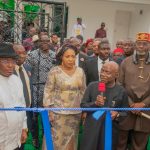
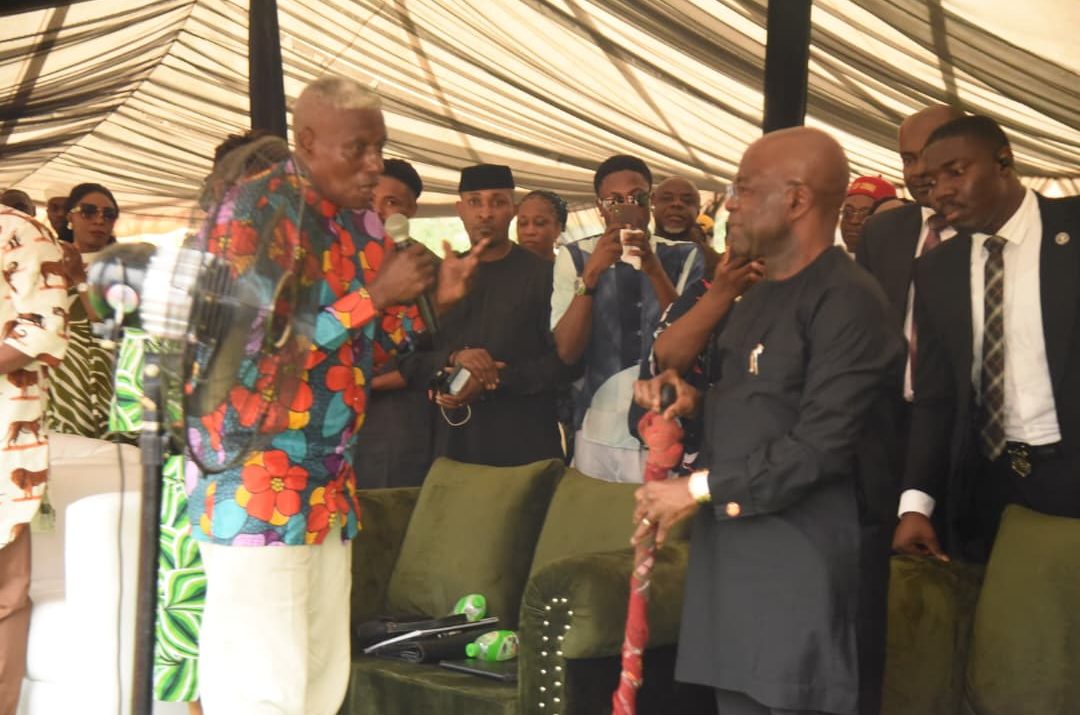
I watched, with quiet reverence and deep pride, as the walking stick borne for over fifty years by the revered late Senator Dr. Jaja Anucha Wachuku was tenderly presented by his family to the Executive Governor of Abia State, Dr. Alex Chioma Otti, OFR.
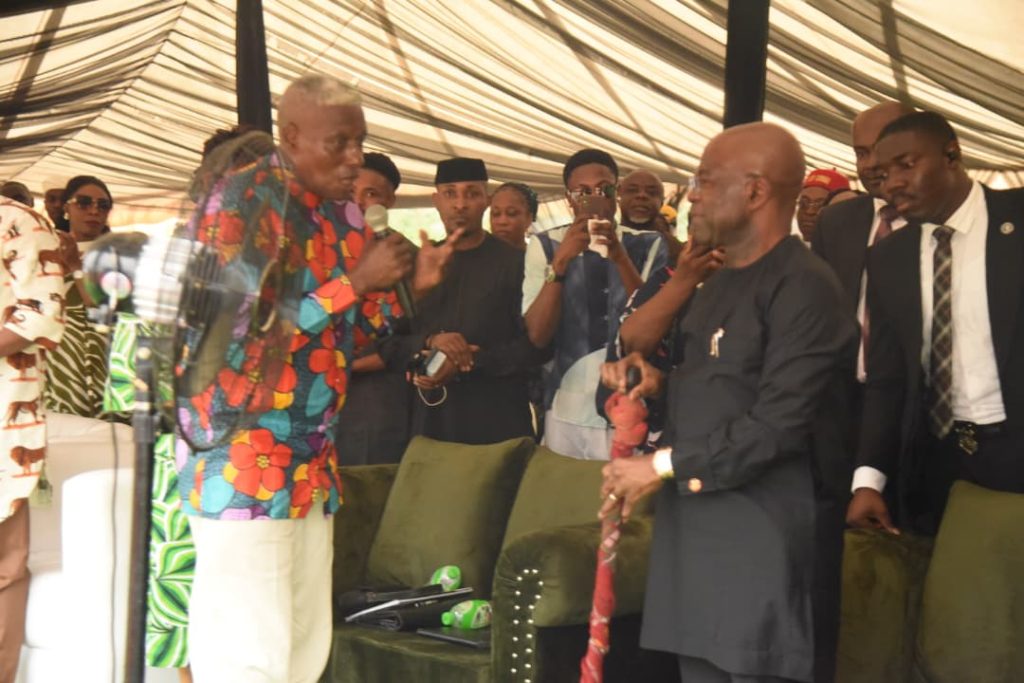
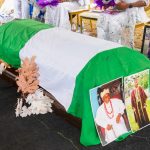
The occasion was the 108th posthumous birthday ceremony held in honour of their illustrious patriarch—Nigeria’s first Speaker of the House of Representatives and the Ugo Ngwa of Ngwa Land.
In that moment, history spoke.
With clarity and heartfelt conviction, the Wachuku family described Governor Alex Otti as a leader cast in the mould of Dr. Sam Mbakwe and Dr. Michael Okpara-towering icons whose legacies continue to define visionary governance in the old Eastern Region. Such comparisons are never made lightly; they are earned through character, courage, and commitment to public good.
The presentation of this walking stick is profoundly symbolic. In Ngwa Land, the name Jaja Wachuku carries uncommon weight. He was more than a politician; he was Ugo Ngwa, “The Eagle of Ngwa Land.” An eagle that soared far beyond local horizons into the global arena, carrying the dignity of Ngwa Land, Igboland, and Nigeria with uncommon courage and distinction.
Jaja Wachuku represents a defining era in Nigeria’s history. At a time when newly independent nations were often treated as junior partners on the world stage, he stood firm. He spoke with clarity, confidence, and moral authority, asserting Nigeria’s equality among nations. As Nigeria’s first Minister of Foreign Affairs, and later as the first African President of the United Nations General Assembly (1962–1963), he projected Nigeria as a proud, principled, and respected nation in global affairs.
In his name, Nigeria was dignified.
Internationally, his legacy continues to echo. Trinity College, Dublin honoured him by installing his portrait in the hallowed chamber of its Historical Society—a rare and enduring tribute that firmly situates him among global statesmen of consequence. Nationally, his contributions have been repeatedly recognised, including the prestigious Hero of the Struggle for Nigeria’s Independence & Pioneer Leader honour conferred in 2014.
That Abia State, under the leadership of Governor Alex Otti, has chosen to formally recognise and celebrate this legacy is both timely and commendable. It reflects a government that understands history, honours excellence, and draws inspiration from the finest chapters of our collective past.
When viewed deeply, the gift of Jaja Wachuku’s walking stick carries immense emotional and spiritual weight. It is not merely a relic; it is a vessel of memory, wisdom, restraint, and moral authority. In offering it to Governor Alex Otti, the family made a powerful statement—that the values embodied by their forebear are visibly alive in the governance of Abia State today.
It is a vote of confidence, an endorsement of character, and a declaration that the governor is a worthy custodian of shared values. The message is unmistakable: lean on justice, govern with wisdom, protect the people, and guide Abia forward. This has increasingly become evident in the renewed direction of the state under Dr. Alex Otti’s leadership.
As the symbolism of Jaja Wachuku’s walking stick quietly but firmly proclaims: “This staff carried our father through life; today, we offer it to you. It shall also carry you.”
Indeed, in this moment, history affirmed itself.
A prophet has been recognized at home.
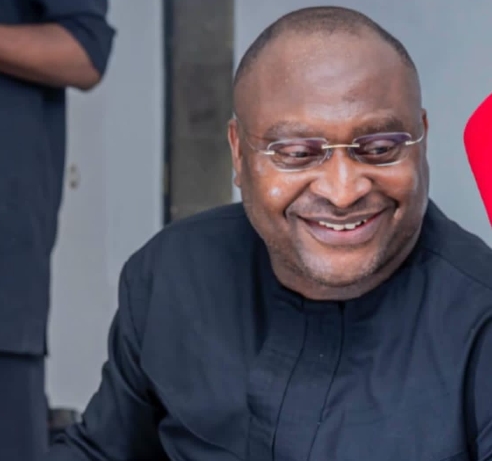
Engr. Bob Ibeneme (Okeosisi)
Leader, Diaspora Alliance for Good Governance
Writes from the United States of America